Encryption and Authentication Systems Allowing Effortless Shifts from Slot Bonus Features to Table Game Sessions in Smartphone-Based Casino Networks
Written by David Weber · Sep 5, 2026

Encryption and Authentication Systems Allowing Effortless Shifts from Slot Bonus Features to Table Game Sessions in Smartphone-Based Casino Networks
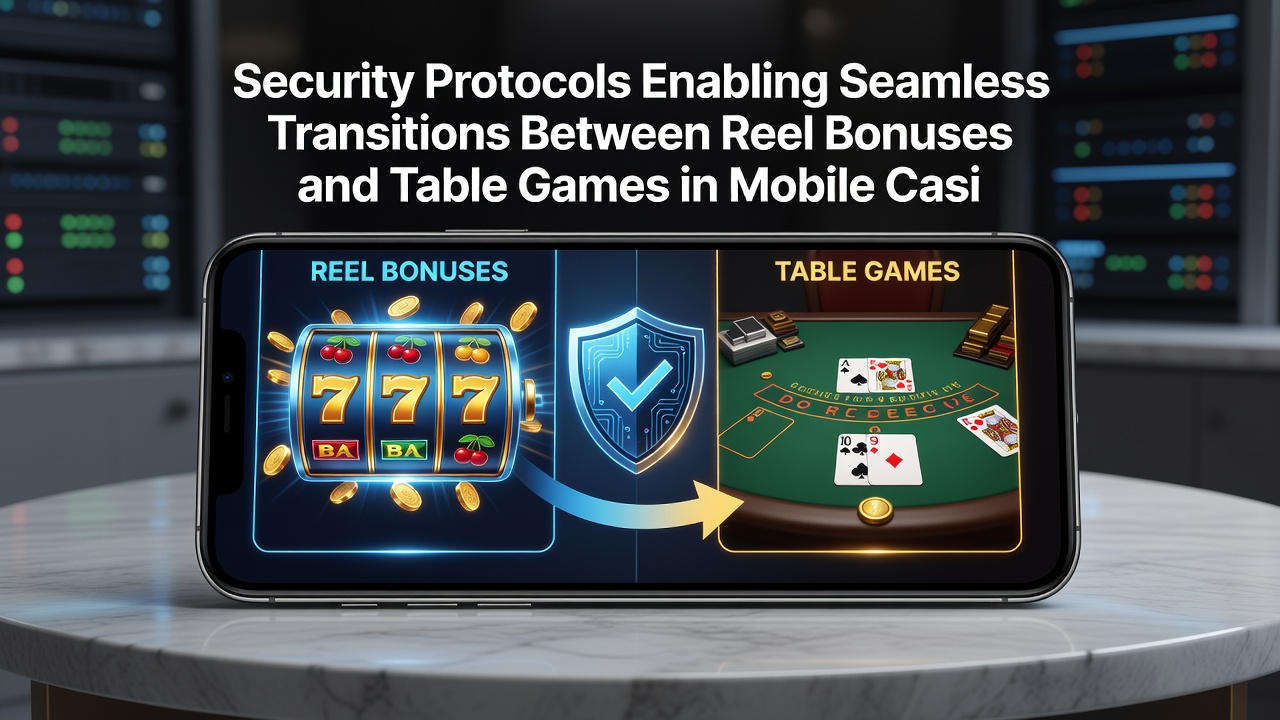
Security frameworks in mobile casino platforms rely on layered encryption methods and token-based authentication to manage player progress from reel-based incentives into live table environments without interrupting session continuity or exposing transaction details, while operators integrate these tools to maintain compliance across multiple jurisdictions as of September 2026.
Developers deploy end-to-end encryption protocols that wrap bonus eligibility data during movement from slot machines to dealer tables, and these systems use AES-256 standards alongside TLS 1.3 handshakes to secure data packets as they travel through mobile networks. Observers note that such measures prevent interception while allowing loyalty points accumulated on reels to convert automatically into table game credits, and the process occurs through centralized servers that validate user identity at each stage.
Core Components of Transition Protocols
Multi-factor authentication combines device biometrics with one-time passcodes generated via secure apps, so players experience minimal friction when crossing from bonus rounds on video slots into blackjack or roulette sessions on the same mobile interface. Research from industry reports indicates that these authentication layers reduce unauthorized access attempts by integrating with payment gateways that flag unusual patterns in real time.
Tokenization replaces sensitive financial information with unique identifiers that persist across game categories, which means reel bonuses remain linked to verified accounts even as users switch to table play. Those who monitor platform performance report that this approach supports seamless credit transfers while preserving audit trails required by regulators.
Payment shields built into mobile ecosystems further isolate bonus mechanics from live dealer interfaces through segmented databases, and these divisions allow operators to apply different risk assessments depending on whether activity occurs in slots or tables. Data shows that such segmentation helps maintain integrity when loyalty frameworks calculate tier advancements based on combined play volume.
Integration with Loyalty and Rating Systems
Tiered reward structures track activity across both game types by pulling encrypted logs from each session, so players who begin with slot free spins can carry momentum into table marathons without losing accumulated status. According to figures released by the New Jersey Division of Gaming Enforcement, mobile platforms using these integrated systems saw consistent growth in cross-category engagement during recent reporting periods.
One documented approach involves dynamic rating engines that adjust bonus values in real time as users move between environments, and the engines rely on secure APIs that communicate only with authenticated endpoints. This setup prevents duplication or inflation of rewards while supporting the operational needs of providers who manage large user bases.
Regulatory bodies in various regions enforce standards that require these protocols to undergo regular penetration testing and third-party audits, and operators in Canada have aligned their mobile offerings with guidelines from the Alcohol and Gaming Commission of Ontario to ensure transitions meet data protection expectations. Such alignment allows platforms to operate across borders while addressing jurisdiction-specific rules on player fund segregation.
Technical Safeguards and Compliance Updates
Encrypted transaction routes handle deposits that unlock tiered access, and these routes employ certificate pinning to block man-in-the-middle interference during the shift from reel incentives to table wagers. Studies from academic sources, including reports issued through the University of Nevada's gaming research division, highlight how these technical choices support both security and user retention metrics in portable environments.
Platform updates scheduled around September 2026 incorporate enhanced session tokens that expire after brief intervals, which forces re-authentication during extended table sessions following slot bonus activity. This measure reduces exposure windows while preserving the flow of play that players expect in mobile ecosystems.
Industry associations such as the European Gaming and Betting Association have documented case examples where providers implemented unified security dashboards to monitor transitions, and the dashboards aggregate signals from slot mechanics and dealer interfaces into single oversight views. Those dashboards enable rapid response when anomalies appear in bonus-to-table movements.
Conclusion
Security protocols continue to evolve in response to expanding mobile casino usage, and the combination of encryption, tokenization, and tiered authentication creates pathways that keep reel bonuses connected to table game participation without compromising account safety or regulatory standing. Observers continue to track how these frameworks adapt as new devices and network conditions emerge across global markets.